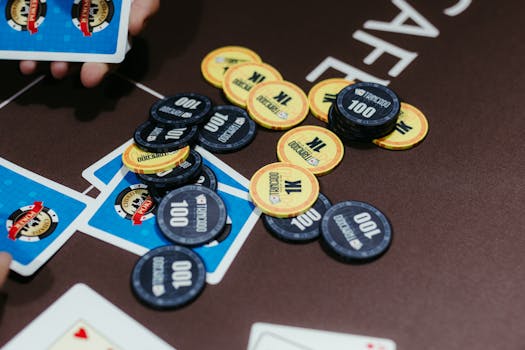
Online poker has exploded in popularity over the past two decades, transforming from a niche hobby into a global phenomenon. In 2023 alone, over 100 million people played online poker worldwide, with the industry valued at more than $9 billion. For those new to the game, the digital poker room offers an exciting blend of strategy, psychology, and luck—all accessible from the comfort of your home or mobile device.
But even though the basics of poker are straightforward, the online environment introduces unique rules, etiquette, and technology. This beginner’s guide will walk you through every step of your online poker journey—from setting up your first account to understanding the key differences between online and live play, choosing the best poker variants, and developing your skills for long-term enjoyment and success.
Getting Started: Setting Up Your First Online Poker Account
Before you can play a single hand, you’ll need to select a reputable online poker site and create an account. Here’s how to begin:
.png) 1. $1: Prioritize platforms that are regulated in your country or state. In the US, for example, sites like PokerStars, WSOP.com, and partypoker are licensed in several states. In Europe, look for governing bodies such as the UK Gambling Commission or Malta Gaming Authority.
2. $1: Signing up typically requires your name, email, date of birth, and address. You may need to verify your identity by uploading a photo ID to comply with anti-money laundering laws.
3. $1: Most sites support a variety of payment methods, including credit cards, e-wallets like PayPal and Skrill, and even cryptocurrencies in some cases. The minimum deposit is usually $10–$20.
4. $1: Nearly every online poker site offers a welcome bonus, often matching your first deposit or providing free tournament entries. In 2023, the average new player bonus is between $30 and $600, depending on the platform.
5. $1: Some sites require a software download, while others offer instant play through your browser or a mobile app.
1. $1: Prioritize platforms that are regulated in your country or state. In the US, for example, sites like PokerStars, WSOP.com, and partypoker are licensed in several states. In Europe, look for governing bodies such as the UK Gambling Commission or Malta Gaming Authority.
2. $1: Signing up typically requires your name, email, date of birth, and address. You may need to verify your identity by uploading a photo ID to comply with anti-money laundering laws.
3. $1: Most sites support a variety of payment methods, including credit cards, e-wallets like PayPal and Skrill, and even cryptocurrencies in some cases. The minimum deposit is usually $10–$20.
4. $1: Nearly every online poker site offers a welcome bonus, often matching your first deposit or providing free tournament entries. In 2023, the average new player bonus is between $30 and $600, depending on the platform.
5. $1: Some sites require a software download, while others offer instant play through your browser or a mobile app.
$1 Always enable two-factor authentication and use strong, unique passwords to keep your account safe.
Online Poker Rules and Gameplay: What Beginners Need to Know
Online poker follows the same core rules as live poker, but with some notable differences. Here’s what beginners should focus on:
- $1: The most popular variant is No-Limit Texas Hold’em, but you’ll also find Pot-Limit Omaha, Seven Card Stud, and mixed games. Beginners are advised to start with Texas Hold’em due to its simple rules and vast resources for learning. - $1: Online tables range from heads-up (2 players) to full ring (9 or 10 players). Six-max (6 players) is also very common. - $1: Online poker uses small and big blinds to force action. Minimum buy-ins for cash games usually start at $2 for micro-stakes tables, and tournament entries can be as low as $1. - $1: The software deals cards automatically, and players have a set time (usually 15–30 seconds) to act. If you don’t act in time, your hand is folded. - $1: The standard poker hand hierarchy applies. A Royal Flush is the best possible hand, followed by a Straight Flush, Four of a Kind, Full House, and so on down to a High Card.$1 Most sites offer “play money” tables where you can practice for free before risking real money.
Comparing Online Poker to Live Poker: Key Differences
While poker is fundamentally the same whether played online or in person, there are several important distinctions that can impact your strategy and experience. Here’s a comparison:
| Aspect | Online Poker | Live Poker |
|---|---|---|
| Game Speed | 60-100 hands/hour (per table) | 20-30 hands/hour |
| Multi-Tabling | Possible (2-20+ tables) | Not possible |
| Player Interaction | Chat only, no physical tells | Face-to-face, physical tells |
| Minimum Stakes | As low as $0.01/$0.02 | Usually $1/$2 or higher |
| Bonuses & Promotions | Frequent (bonuses, freerolls) | Rare |
| Availability | 24/7, global access | Limited by location and hours |
$1 An average online player can see four times as many hands per hour as a live player, which means you gain experience and see results much faster.
Popular Online Poker Variants for Beginners
While Texas Hold’em dominates the online scene, exploring other variants can help you find the game that suits your style and skill level. Here are some of the most beginner-friendly poker games online:
1. $1: The classic and most widely played. Easy rules, deep strategy. Ideal for learning the basics. 2. $1: Similar to Hold’em but with four hole cards. More action, bigger pots, and more complex hand reading. 3. $1: Single-table tournaments with a fixed number of players (usually 6 or 9). Great for learning tournament strategy without a big time commitment. 4. $1: Large field tournaments with potentially huge prize pools. Buy-ins start as low as $1, and some events pay out thousands of dollars to the winner. 5. $1: A newer format where you’re instantly moved to a new table after folding. This speeds up the action and minimizes waiting.$1 The largest online tournament ever hosted, the 2020 WSOP Online Main Event, had a prize pool of over $27.5 million, with the winner earning $3.9 million from a $5,000 buy-in.
Essential Strategies for Online Poker Success
Success in online poker is not just about luck—it’s about making consistently good decisions. Here are some beginner strategies to help you improve quickly:
- $1: Play a limited selection of strong hands, especially in early positions. Raise rather than call to put pressure on weaker opponents. - $1: Look for tables where players have high “VPIP” (Voluntarily Put Money In Pot) percentages, indicating loose play and more opportunities to profit. - $1: Being “on the button” (last to act) is a huge advantage. You’ll win more pots simply by acting after your opponents. - $1: Many players use tracking software to analyze their own play and that of their opponents. Start with built-in hand histories and basic statistics before moving to advanced tools. - $1: Never risk more than 5% of your poker bankroll on a single game or tournament. This minimizes the risk of going broke during a bad run. - $1: Play in a quiet environment. Online poker moves fast, and distractions can lead to costly mistakes.$1 According to a 2022 industry survey, over 60% of new online poker players bust their first bankroll due to poor management—so set limits and stick to them.
Online Poker Etiquette and Responsible Gaming
The anonymity and speed of online poker can sometimes lead to poor behavior. Following proper etiquette makes the game more enjoyable for everyone:
- $1: Respect your opponents. Don’t berate or mock others for their play. - $1: Act promptly to keep the game moving. - $1: Play fair. Sites have sophisticated software to detect suspicious activity. - $1: Use available tools to set deposit, loss, or session limits. Remember, poker should be fun—not a source of stress or financial hardship.If you ever feel your play is becoming problematic, most sites offer self-exclusion and links to gambling support organizations.
Final Thoughts: Your First Steps into Online Poker
Online poker is an accessible and rewarding hobby that combines skill, strategy, and the thrill of competition. For beginners, the keys to a positive experience are starting at low stakes, learning the rules and etiquette, practicing sound bankroll management, and gradually building up your skills. With thousands of games available at any hour and a wealth of free resources, there’s never been a better time to join the global poker community.
As you gain confidence, remember that even the best players started as novices. The digital tables are waiting—shuffle up and deal!